

Pigmentation issues? Dark spots? Melasma? uneven skin tone? These are persistent and emotionally taxing. With the rising popularity of both high-tech solutions and accessible skincare products, many are left wondering: Can pigmentation creams replace laser treatments? The short answer is: It depends on the severity and cause of the pigmentation—but for many people, face creams for pigmentation can be a powerful first step.
In this blog, let us explore how pigmentation face creams work, how they compare to laser treatments, and when each option is most suitable.
What Causes Pigmentation in the First Place?
Pigmentation is typically caused by an overproduction of melanin—the pigment responsible for your skin color. Common triggers include:
- Sun exposure
- Hormonal changes (e.g., pregnancy, birth control)
- Acne scarring
- Skin injuries
- Aging
Depending on the root cause and depth of the pigmentation, different treatment approaches may be needed.
How Do Pigmentation Face Creams Work?
Modern face creams for pigmentation are formulated with active ingredients that target melanin production, promote skin renewal, and soothe inflammation. Some of the most effective ingredients include:
- Vitamin C: A potent antioxidant that brightens skin and reduces pigmentation.
- Niacinamide: Known for its anti-inflammatory and brightening properties.
- Kojic Acid: Naturally derived and helps lighten dark spots.
- Retinoids (like Retinol): Speed up cell turnover and reduce discoloration.
- Tranexamic Acid: Particularly effective for melasma and hormone-related pigmentation.
These ingredients work best when used consistently over time and with sun protection.
Benefits of Using Face Creams for Pigmentation
-
Non-invasive and Painless
Unlike laser treatments, pigmentation face creams don’t involve discomfort, recovery time, or downtime.
-
Cost-effective
A high-quality pigmentation cream is significantly affordable than laser sessions, especially for long-term maintenance.
-
Easy to Integrate into Everyday Skincare Routine
Apply as directed, usually once or twice a day—no appointments or machines needed.
-
Safe for Most Skin Types
Many creams are formulated to suit sensitive, oily, dry, or combination skin. However, patch testing is always recommended.
Laser Treatments: When Are They Better?
While pigmentation face creams can be highly effective, laser treatments may be necessary in certain cases:
Deep pigmentation (e.g., dermal melasma)
Stubborn dark patches resistant to creams
Need for fast, visible results
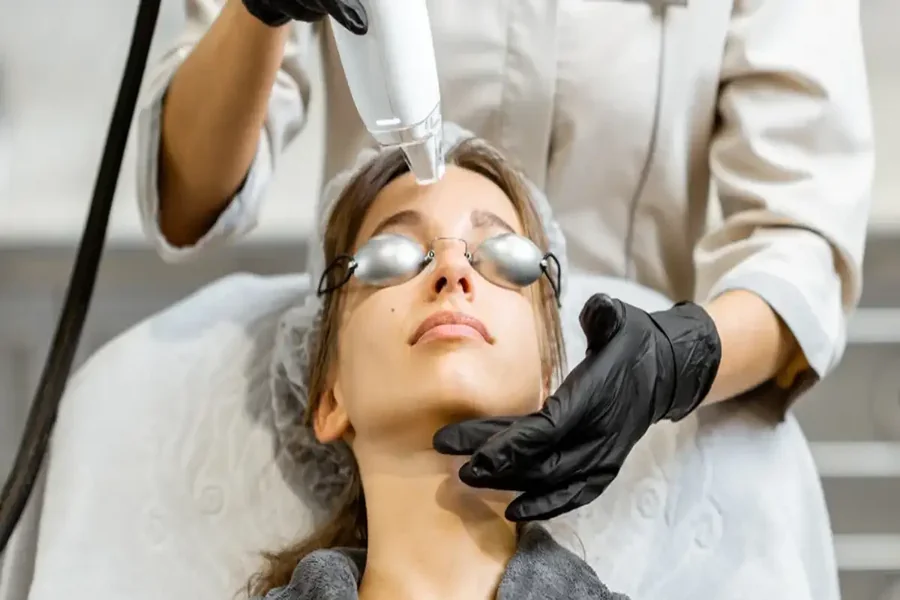
Lasers like Q-switched Nd:YAG or Fractional CO2 can target deep pigmentation layers and offer noticeable improvements in fewer sessions. However, they come with higher costs, potential side effects (like redness, peeling), and require expert guidance.
Creams vs. Lasers: Which One Should You Choose?
| Factor | Face Creams for Pigmentation | Laser Treatments | |||
|
Affordable | Expensive | |||
| Downtime | None | Possible redness, peeling | |||
| Convenience | Daily skincare routine | Clinic visits required | |||
| Effectiveness | Best for mild to moderate cases | Best for deep or stubborn pigmentation |
If you’re just starting your pigmentation treatment journey or your skin issues are mild to moderate, pigmentation face creams are an excellent first-line solution. Pairing them with sunscreen and exfoliants like AHAs can further enhance results.
However, if your pigmentation is severe, deep-rooted, or hormonal, it’s worth consulting a dermatologist who may recommend lasers or a combination of treatments.
Conclusion
So, can pigmentation creams replace laser treatments? In many cases, yes—especially for mild to moderate pigmentation. With consistent use of the right face creams for pigmentation, sunscreen, and a healthy skincare routine, you can achieve clearer, more even-toned skin without ever stepping into a laser clinic.
But for stubborn or deep pigmentation, lasers may still hold their place. The good news is, you don’t have to choose just one—many dermatologists recommend starting with pigmentation face creams and moving to lasers only if needed.
