

In the world of electronics manufacturing, low cost PCB assembly plays a crucial role in helping startups, engineers, and large-scale manufacturers achieve high-quality circuit production at affordable prices. As demand for compact, efficient, and reliable electronic products continues to rise, the need for cost-effective PCB assembly has never been greater. Achieving low-cost production does not mean sacrificing quality — it requires a balance between smart design, efficient sourcing, and advanced manufacturing processes.
Understanding Low Cost PCB Assembly
Low cost PCB assembly refers to the process of manufacturing and assembling printed circuit boards at reduced costs while maintaining acceptable levels of quality and performance. This cost-efficiency is achieved through optimization of materials, streamlined production workflows, and the use of automated technologies.
For small businesses and innovators, low-cost assembly services make it possible to transform prototypes into market-ready products without the burden of high production expenses. Even large-scale manufacturers leverage affordable PCB assembly to reduce operational costs and improve profit margins.
Key Factors That Influence PCB Assembly Costs
Several factors determine the overall cost of PCB assembly. Understanding and optimizing these parameters can help achieve low-cost PCB assembly without compromising functionality or durability.
-
PCB Design Complexity
Simple designs with fewer layers, larger trace widths, and standard component sizes generally cost less to manufacture. By keeping the design optimized and avoiding unnecessary complexity, engineers can significantly lower production costs.
-
Component Selection
Sourcing cost-effective components from reliable suppliers is one of the most effective ways to control expenses. Alternate or equivalent components that meet the same specifications can help achieve cost savings without affecting performance.
-
Board Size and Quantity
The size of the PCB and the volume of production directly affect the per-unit cost. Larger batch sizes benefit from economies of scale, making bulk production much cheaper per board.
-
Assembly Technology
Choosing between Surface Mount Technology (SMT) and Through-Hole Technology (THT) influences both cost and time. SMT assembly, due to automation and speed, is typically more cost-effective for most modern electronic designs.
-
Sourcing and Logistics
Working with a manufacturer that offers in-house fabrication, component sourcing, and assembly services under one roof eliminates middlemen and shipping costs — leading to a truly low cost PCB assembly process.
How to Achieve Low Cost PCB Assembly Without Sacrificing Quality
Achieving affordability in PCB production requires strategic decisions at every stage of the manufacturing process. Below are several key methods used by successful companies to maintain both low costs and high quality.
-
Design for Manufacturability (DFM)
Designing with manufacturing in mind helps minimize production challenges and errors. DFM guidelines focus on optimizing layouts, trace routing, and component spacing to ensure smooth assembly and fewer defects.
-
Bulk Ordering and Long-Term Partnerships
Collaborating with a manufacturer on a long-term basis or placing bulk orders often results in discounted pricing and priority service. Reliable partners can also assist in cost reduction through component sourcing.
-
Utilize Automated Assembly Lines
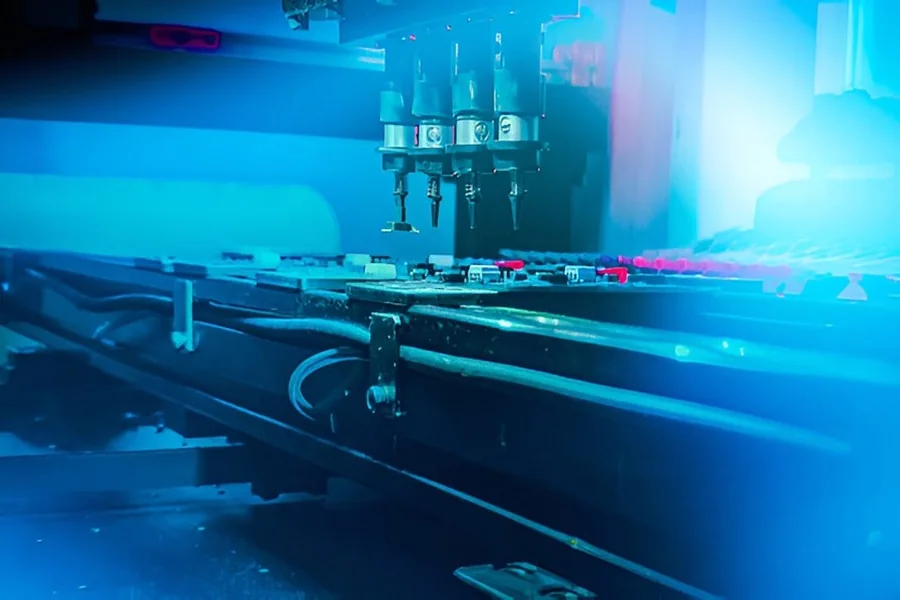
Modern low cost PCB assembly facilities rely heavily on automation. Pick-and-place machines, solder paste printers, and reflow ovens ensure speed, precision, and reduced labor costs — all contributing to affordable production.
-
Optimize Testing and Quality Control
Cost-effective assembly does not mean cutting corners on quality. Implementing Automated Optical Inspection (AOI), X-ray testing, and functional testing ensures that every PCB performs as intended, minimizing post-production failures.
Applications of Low Cost PCB Assembly
The demand for low cost PCB assembly spans across industries and product categories. These include:
- Consumer Electronics: Smartphones, wearables, and smart home devices.
- Industrial Equipment: Control systems, power modules, and automation electronics.
- Medical Devices: Portable diagnostic tools and wearable health monitors.
- Automotive Electronics: LED lighting, sensors, and control boards.
- IoT Products: Smart sensors, wireless modules, and embedded devices.
Affordable PCB assembly enables manufacturers in all these sectors to innovate faster while staying within budget.
Advantages of Choosing Low Cost PCB Assembly
-
Cost Efficiency
The primary benefit is reduced manufacturing costs, allowing businesses to allocate resources to research, design, or marketing.
-
Faster Prototyping and Production
Affordable assembly speeds up development cycles, making it easier for engineers to test designs and bring products to market quickly.
-
Scalable Manufacturing
Low-cost assembly providers can handle both small and large batches, ensuring flexibility as production needs grow.
-
Access to Advanced Technologies
Many low-cost manufacturers still invest in state-of-the-art assembly lines, providing clients with advanced features like BGA, fine-pitch, and double-sided mounting — at a fraction of traditional costs.
-
Global Competitiveness
For international businesses, low cost PCB assembly is key to maintaining a competitive edge while meeting growing global demand for high-performance electronics.
Trends Driving Affordable PCB Assembly
The global electronics industry continues to evolve, with new technologies making cost-efficient assembly even more achievable. Some of the major trends include:
- Automation and AI Integration: Streamlining inspection and process control to cut waste and time.
- Miniaturization: Demand for smaller, lighter boards driving innovation in layout efficiency.
- Sustainable Materials: Adoption of RoHS-compliant and eco-friendly processes at competitive pricing.
- Global Sourcing Networks: Leveraging international supply chains to reduce material and labor costs.
These advancements make it possible to maintain a perfect balance between cost, performance, and sustainability.
Conclusion
In the fast-paced electronics industry, low cost PCB assembly is essential for achieving profitability and scalability. With the right manufacturing partner, companies can produce reliable, high-quality PCBs at affordable prices — allowing them to focus more on innovation and less on production overheads.
For businesses seeking dependable, efficient, and affordable assembly solutions, working with trusted printed circuit board assembly suppliers is the best approach. Experienced suppliers can provide cost optimization, component sourcing, and advanced manufacturing techniques — ensuring every PCB meets your performance and budget expectations.
