

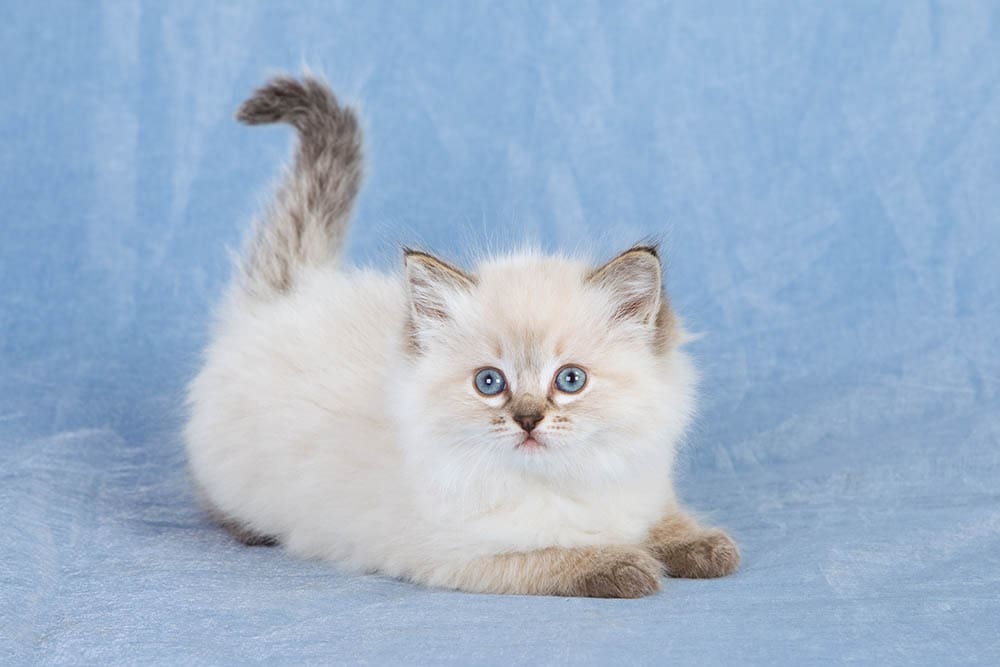
With their soft, soft coat, long hair, Ragdoll cats are the kind of furry friends you want to meet forever as you stare into their lovely blue eyes.
That is why it is not surprising that Ragdoll cats are one of the most sought-after breeds according to their feline. They are some of the biggest breeds of cats — so there’s a lot to suck with! Read on to find the full range of Ragdoll breeding cats, from humble beginnings to their care needs. We have everything you need for the life of your Ragdoll cat.
Breed Overview: Ragdoll Cats
Here’s a quick summary of this type of friendship:
- Weight – Men weigh 10 to 20 pounds, while women weigh 10 to 15 pounds
- Height – 11 to 14 inches
- Coat – Semi-long and silky, with colors ranging from brown to red
- Eye type – Oval-shaped, bright blue
- Life expectancy – 13 to 16 years
- Ragdoll Cat Character: The Basics
Ragdoll is the most fascinating animal, but it is not the only one that is important about this species. Take a look at a few of the Ragdoll cat descriptions:
- Love – High
- Friendship – High
- Relationships with children – Medium
- Close-friendly – High
- Power level – Medium
- Obedience – High
- Hungwaru – High
- Pouring – Medium
Ragdoll Cat Fun Facts
For a brief introduction to the Ragdoll cat species, get acquainted with this slippery species with a few interesting facts:
Ragdoll cats have dog-like characteristics — for the reason that they are loyal and playful! They are known as a good kind of quiet, sometimes refusing to show signs of distress or pain. These cats are born clean and their coats get darker and darker as they grow older. Ragdoll cats live longer than other cats (meaning more time for you to enjoy your amazing companion).
History of Ragdoll Cats
The first story of the Ragdoll cat begins not too far away from modern times.
In the 1960s, a California farmer breed Ragdoll from his free-range band. But the garbage star was all Ragdoll’s mother (actually) —Josephine.
Josephine was a beautiful, long-haired man with a very beautiful figure who gave birth to beautiful, sweet cats. Since then, Josephine has been raised by aggressive cats to create what is now called Ragdoll cats.
In 1993, the Cat Fanciers’ Association (CFA) registered the Ragdoll cat as an official breed and was soon recognized as a competitive cat by any North American cat association.
The Physical Nature of Ragdoll Cats
The Ragdoll cat is a pointed species, meaning that its body is lighter in color than its face, legs, tails, and ears — or its “knots” —of usually black or black. Consistent with CFA Ragdoll standards, the ideal Ragdoll cat is very stable with no excess fat. Ragdoll cats’ ears are broad with rounded tips and their tails are usually long and fluffy.
Coat
The Ragdoll cat’s coat is usually snow-white and soft, like rabbit fur, with a distinct fluff around their neck.
On top of that, their coat is long and usually takes up to three years to grow, meaning that their character – such as white patterns for covering or seeing – can take time to fully develop. Their coat is usually marked with six possible colors:
- Seal
- Blue
- Chocolate
- Lilac
- Red
- Cream
When it comes to color patterns, Ragdoll cats usually show four different designs:
- Bi-color pattern – Bi-color Ragdolls usually have black spots on the back, ears, tail, and face with distinct inverted “V” marks between the eyes. Under the white cat, along with the legs and feet.
- Van pattern – Often less popular than bi-color Ragdolls, van patterns that show colors on the face, ears, and tail. However, according to CFA standards, the body, legs, and feet should be kept clean and free of any dark spots. The nose and paw pads are pink.
- Colourpoint pattern – A classical pattern, colorpoint Ragdolls usually show a dark color in the ear, face, feet, and tail. The nose and paw pads usually have the same color as the points. The chest and chin are light in the shade, while the nose and paw pads have full pigment.
- Mitted pattern – Mitted ragdoll patterns are very similar to colorpoint patterns. Another difference is that the chin and legs of the Made Ragdolls are clean. In addition, the face can often have a white marker in the form of a star, diamond, hourglass, or line. Their noses are usually based on the pigmentation of their points and their pink pads.
- Notes
Size
Ragdoll cats are large and well-built, sometimes weighing up to 25 pounds. However, the average male Ragdoll cat size usually weighs between 10 and 20 pounds [10 kg], while the average female weighs less — anywhere from 10 to 15 pounds.
Ragdoll Domestic Cat Character and Character Character
Ragdoll Cats are friendly and loving, often enjoying the company of loved ones. Many Ragdoll cats also need to be raised and enjoyed being held in your arms for a long time — they even need to be shaken to sleep sometimes!
Overall, Ragdoll cats are idle companions with many unique traits, such as:
- Independent
- Docile
- Easy going
- Calm down
- Smart
- Gentle
- Affectionate
- Bold
How to Keep Ragdoll Cats
Being the owner of Ragdoll can be a daunting task, not only do you have to provide them with proper hygiene, exercise, and nutrition, but you also have to provide them with buckets full of love every day.
Beauty
When keeping a Ragdoll cat clean, it is important to keep in mind that Ragdoll cats need a lot of care to keep their soft, soft coat. Unfortunately, the Ragdolls do not have a down jacket, meaning these indoor cats are not accustomed to climbing. This is a big issue for thinking matting can lead to skin discomfort among some cats.
SEO Guest post more effective to rank google. You may share your blog on imeetzu and news blog newsxpres. Also put your sport related blog on sportsgossip.
To know more Information: meetyou
Read more about this website: chatrad
You should visit this site: newsinsightz
